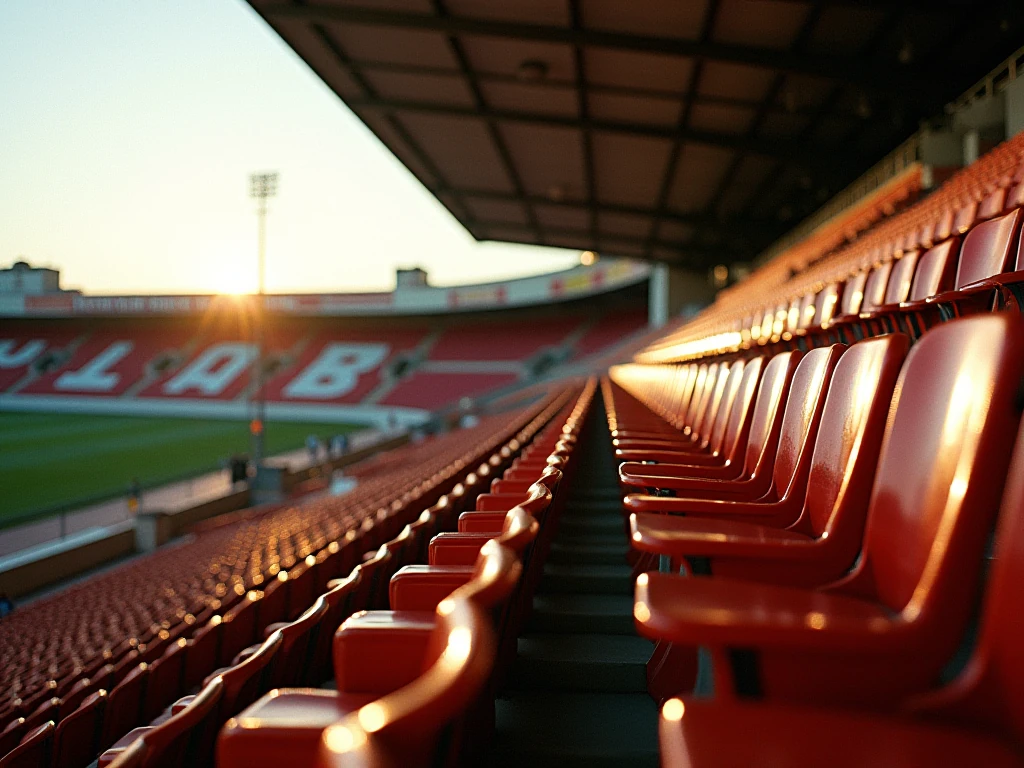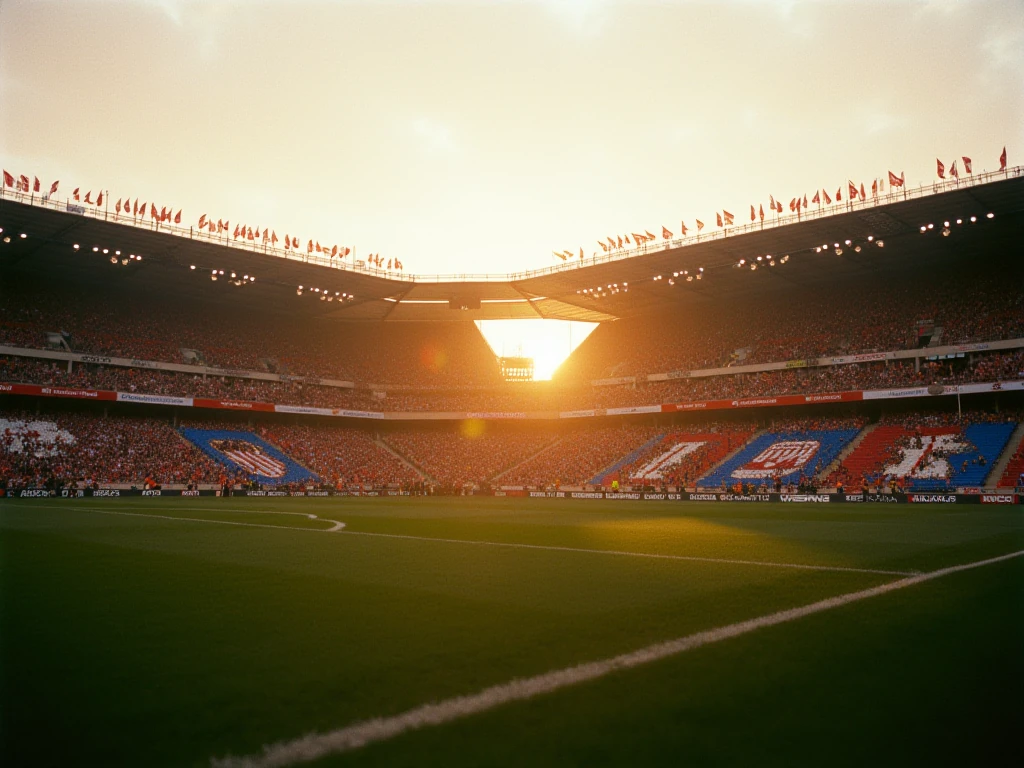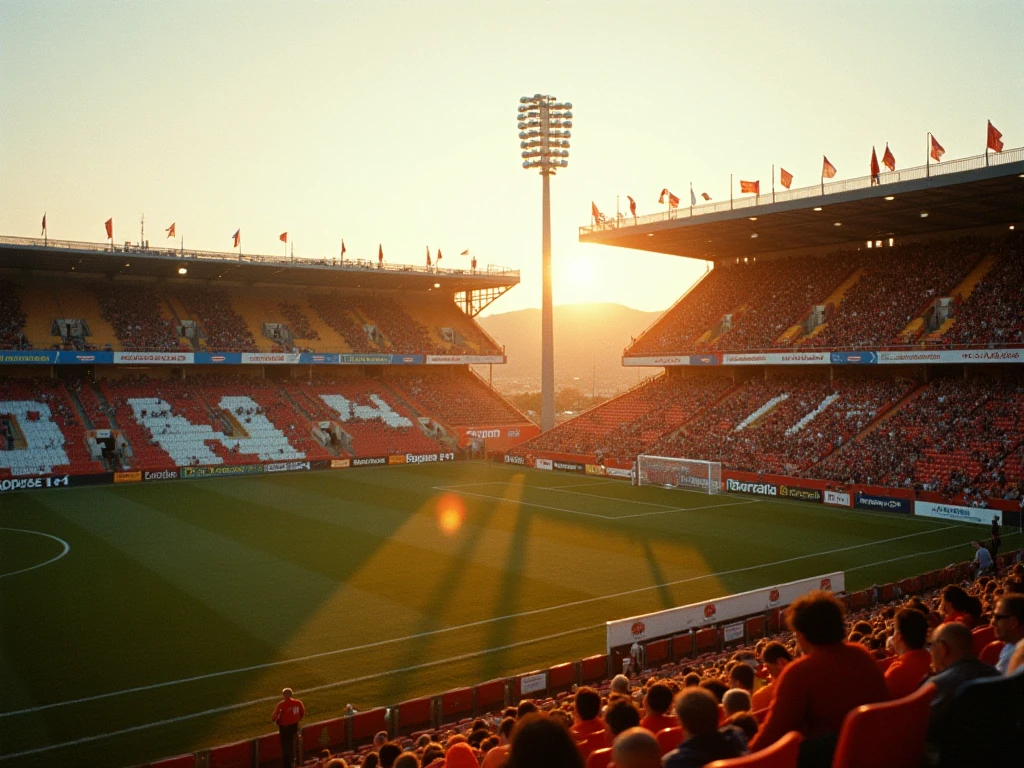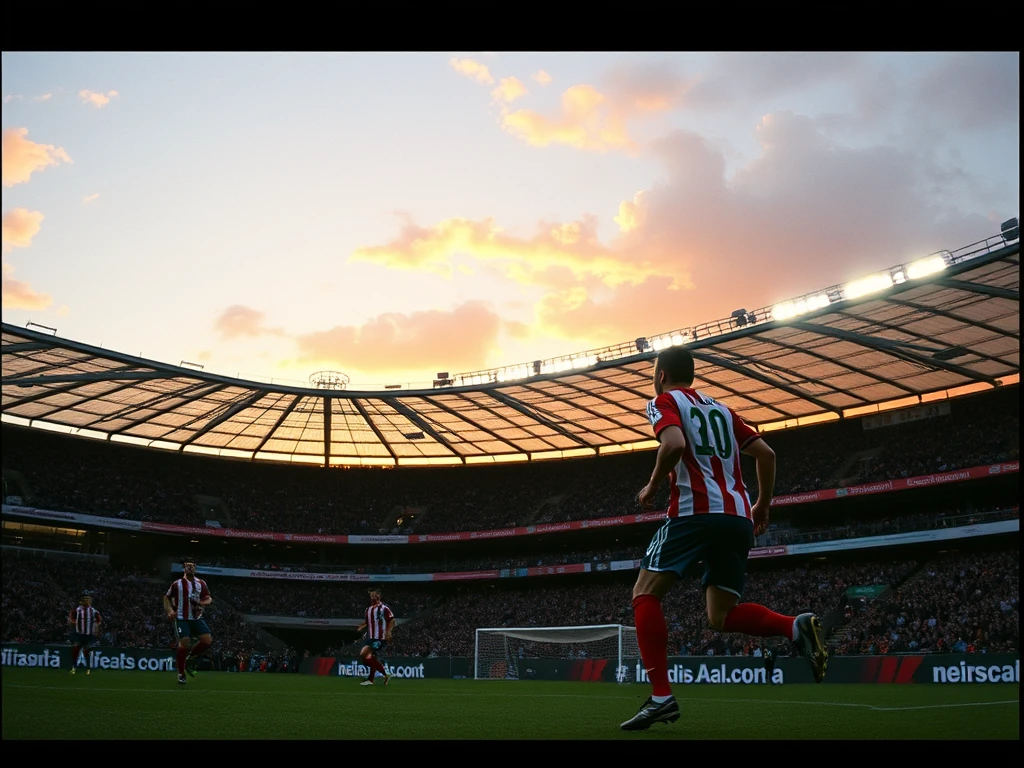
Ipurúa isn't just a stadium; it's the unmistakable heartbeat of Eibar, a temple where Armero passion is felt in every corner. Its size, its architecture nestled between houses, and its proximity to the pitch make it an intimate sanctuary, a true fortress where football is experienced in a unique, intensified way, especially when the ball rolls in the Basque Derby.
Match day for the Armeros at home is a choreography that begins long before the referee's whistle. The narrow streets of Eibar are painted blue and scarlet, with scarves waving and the murmur of football conversations filling the air. Bars overflow with fans enjoying their pintxos and zuritos, chanting the first songs that will grow in crescendo as the pilgrimage to Ipurúa draws closer. It's a collective ritual, a community effort (auzolan) in spirit that unites fathers, sons, and grandparents, preparing the soul for battle.
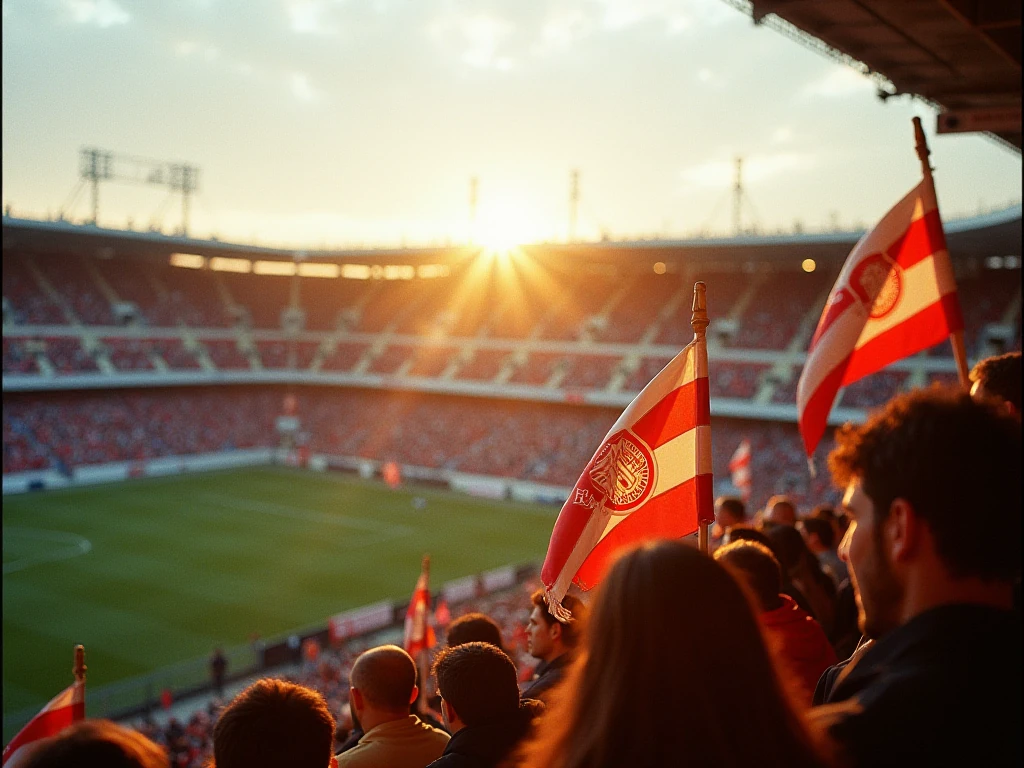
But if there's one fixture that electrifies Eibar's atmosphere like no other, it's the Basque Derby against Real Sociedad. It's not only a game; it's a matter of pride, of local sentiment. The tension is palpable from the morning, distinct from any other matchday. At Ipurúa, that tension transforms into a cauldron atmosphere. The peñas (fan clubs) redouble their efforts, their drums and megaphones at full blast, creating an uninterrupted symphony of encouragement. To see the stands, literally glued to the field, vibrate in unison, is a captivating experience.
Inside old Ipurúa, every action on the pitch is magnified. A simple defensive clearance can provoke a thunderous roar; a missed chance, a shared lament that echoes through all sections. When Los Armeros players run onto the field, the explosion of decibels is such that the ground seems to tremble underfoot. The Eibar anthem is sung with one throat, one heart. During the derby, the chants are not only support, they are a declaration, a challenge. The proximity of the fans to the pitch means there's no emotional distance; every challenge, every tackle, every goal, is experienced with visceral intensity. It's an immersive, almost tactile experience, where the energy of the stand becomes the twelfth player.
In the end, win or lose, the communion between the team and the fans remains. The farewell (agur) to the players, the applause and recognition for their effort, confirm that being an Armero is something deeper than the result of 90 minutes. These traditions, these rituals at the heart of Ipurúa, are the lifeblood that nourishes Eibar's identity-an identity forged in community, passion, and a stadium that is, without a doubt, its soul. It is in these moments, in the fervor of the derby, where the spirit of Ipurúa shines brightly, proving that in football, home is as important, if not more important, than the playing field itself.